


What does the gut microbiome have to do with memory? In a study of 200 adults, researchers found that differences in gut bacteria were linked to differences in brain structure and performance on thinking and memory tests. The study in Brain, Behavior, and Immunity compared adults with metabolic syndrome with a healthy comparison group. It leaves an important question open: could changing gut bacteria help preserve memory over time?
What You’ll Learn
- What researchers found when they compared gut bacteria, brain scans, and cognitive test scores
- How the gut and brain communicate and why researchers are studying that connection
- What these findings mean for someone concerned about memory changes
What the Study Found About Gut Bacteria and Memory
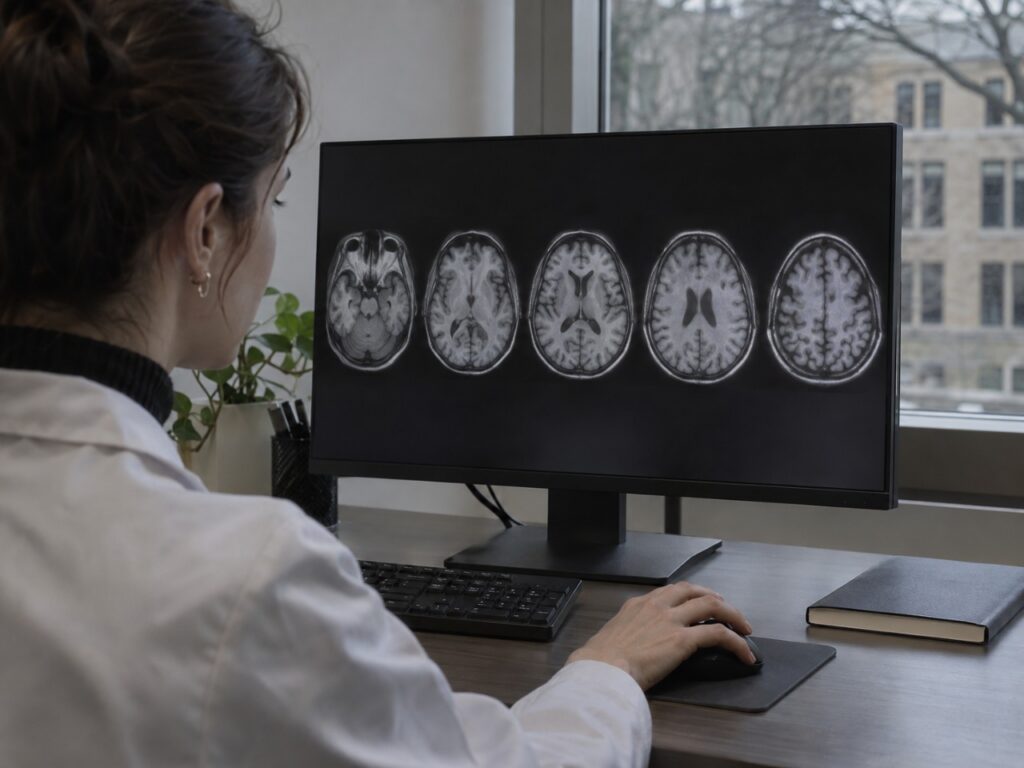
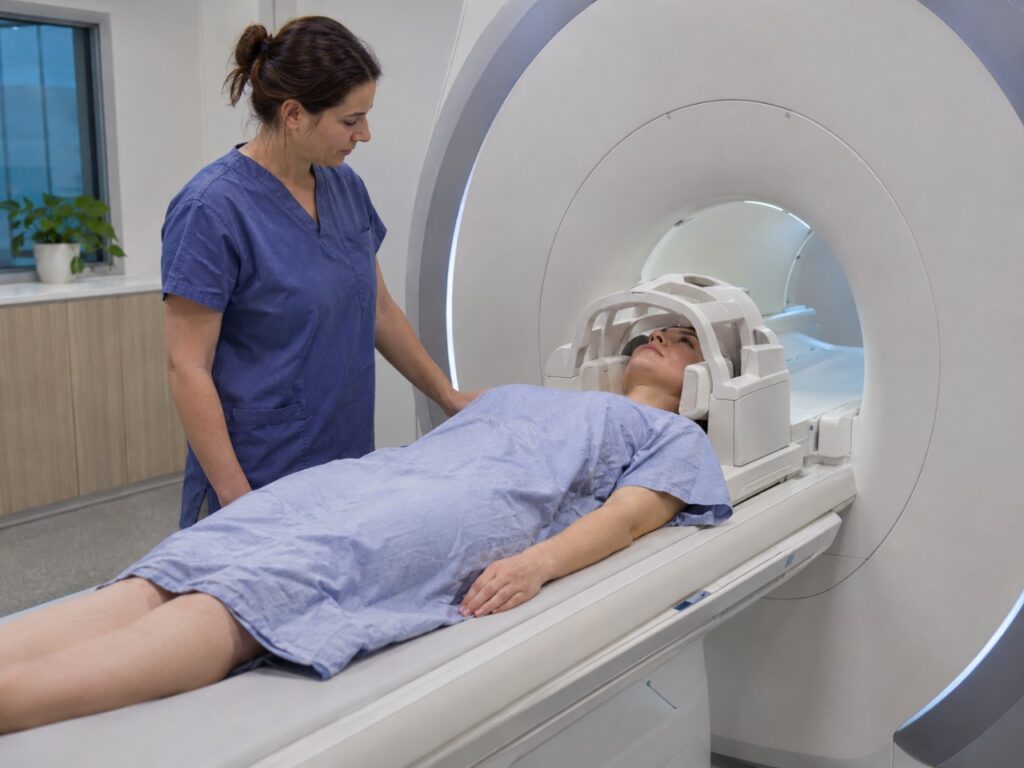
The researchers compared 97 adults with metabolic syndrome with 103 healthy adults of similar age, sex, and education. Participants completed cognitive tests, underwent MRI scans, and provided samples for gut bacteria analysis.
Metabolic syndrome is a cluster of risk factors that includes excess fat around the waist, high blood pressure, high blood sugar, high triglycerides, and low HDL cholesterol. Having at least three of these factors meets the usual criteria. The study focused on people with this cluster of risk factors, so its findings are most relevant to that group.
| What researchers measured | What they found | What remains unknown |
|---|---|---|
| Thinking and memory | The metabolic syndrome group scored lower on some tests of thinking and verbal memory. | Whether these differences would grow over time |
| Brain structure | MRI scans showed lower gray matter volume in some regions and differences in several white matter pathways. | When those differences developed |
| Gut bacteria | Some bacteria associated with short-chain fatty acid production were less abundant in the metabolic syndrome group. | Whether participants had lower levels of the compounds those bacteria produce |
Gray matter helps the brain process information. White matter contains fibers that carry signals between brain regions. The researchers used a statistical model to explore how the bacterial patterns, brain scans, and test scores might be connected. The findings suggest a possible link, but the study could not determine which changes came first.
How the Gut and Brain Communicate
The gut-brain axis is the two-way communication between the digestive system and the brain. Nerves, immune signals, and compounds made by gut bacteria all play a role. One group of compounds that researchers are interested in is called short-chain fatty acids.
Why short-chain fatty acids matter
Some gut bacteria break down dietary fiber and produce short-chain fatty acids such as butyrate, acetate, and propionate. Butyrate supplies energy to cells that line the colon and helps regulate how the immune system responds there.
The study found differences in bacteria associated with the production of these compounds. The researchers did not directly measure short-chain fatty acid levels, so the compounds’ role in the study findings remains a hypothesis.
Where inflammation fits in
The brain has its own immune cells, called microglia. They help clear debris and respond to injury. Laboratory research suggests that compounds made by gut bacteria can influence immune signaling, including processes involving these cells. How much that pathway affects memory in people with metabolic syndrome remains unclear.
What These Findings Mean for Brain Health

The study raises a question for future trials: if an intervention changes the gut microbiome, does it also change how people perform on memory tests? Answering that would require researchers to test an intervention and follow participants over time.
There is a stronger evidence base for managing established risk factors. The 2024 Lancet Commission on dementia prevention identified 14 potentially modifiable risk factors, including high blood pressure, diabetes, and physical inactivity. Those are factors patients and clinicians can discuss as part of a broader conversation about brain health.
How I Evaluate Memory Concerns
At Sharlin Health & Neurology, I start by asking what has changed, when it started, and how it affects daily life. I consider the neurological findings alongside factors such as sleep, blood sugar, blood pressure, nutrition, and physical activity. Each of these can help put a patient’s symptoms in context.
Depending on the person’s symptoms and history, I may also ask about digestive health or recommend further testing. The choice of tests depends on what we learn during the evaluation. This broader assessment is part of my Brain Tune Up!® approach.
Frequently Asked Questions
Can gut bacteria cause memory loss?
This study found an association between certain gut bacteria and cognitive test performance in adults with metabolic syndrome. It could not establish whether the differences in gut bacteria caused memory problems.
Did the study test probiotics for cognitive decline?
Researchers compared two groups and did not give participants probiotics or test a dietary intervention. Whether a specific probiotic can improve memory in people with metabolic syndrome remains an open question.
What to Take Away
The study gives researchers a specific connection to investigate: how metabolic health, gut bacteria, and the brain’s communication pathways might be related. For someone noticing memory changes, a clinical evaluation can help identify which factors deserve closer attention.
If memory changes are affecting daily life, contact Sharlin Health & Neurology about an evaluation at our Ozark office near Springfield, Missouri.
About Dr. Sharlin
Dr. Kenneth Sharlin is a board-certified neurologist, an Institute for Functional Medicine Certified Practitioner, and the founder of Sharlin Health & Neurology. He is the author of The Healthy Brain Toolbox.
References
Zhao W, Zhou X, Cai H, et al. The relation between gut microbiota, brain structure and cognitive function in metabolic syndrome. Brain, Behavior, and Immunity. 2026;132:106209.
Livingston G, Huntley J, Liu KY, et al. Dementia prevention, intervention, and care: 2024 report of the Lancet standing Commission. The Lancet. 2024;404:572–628.
