

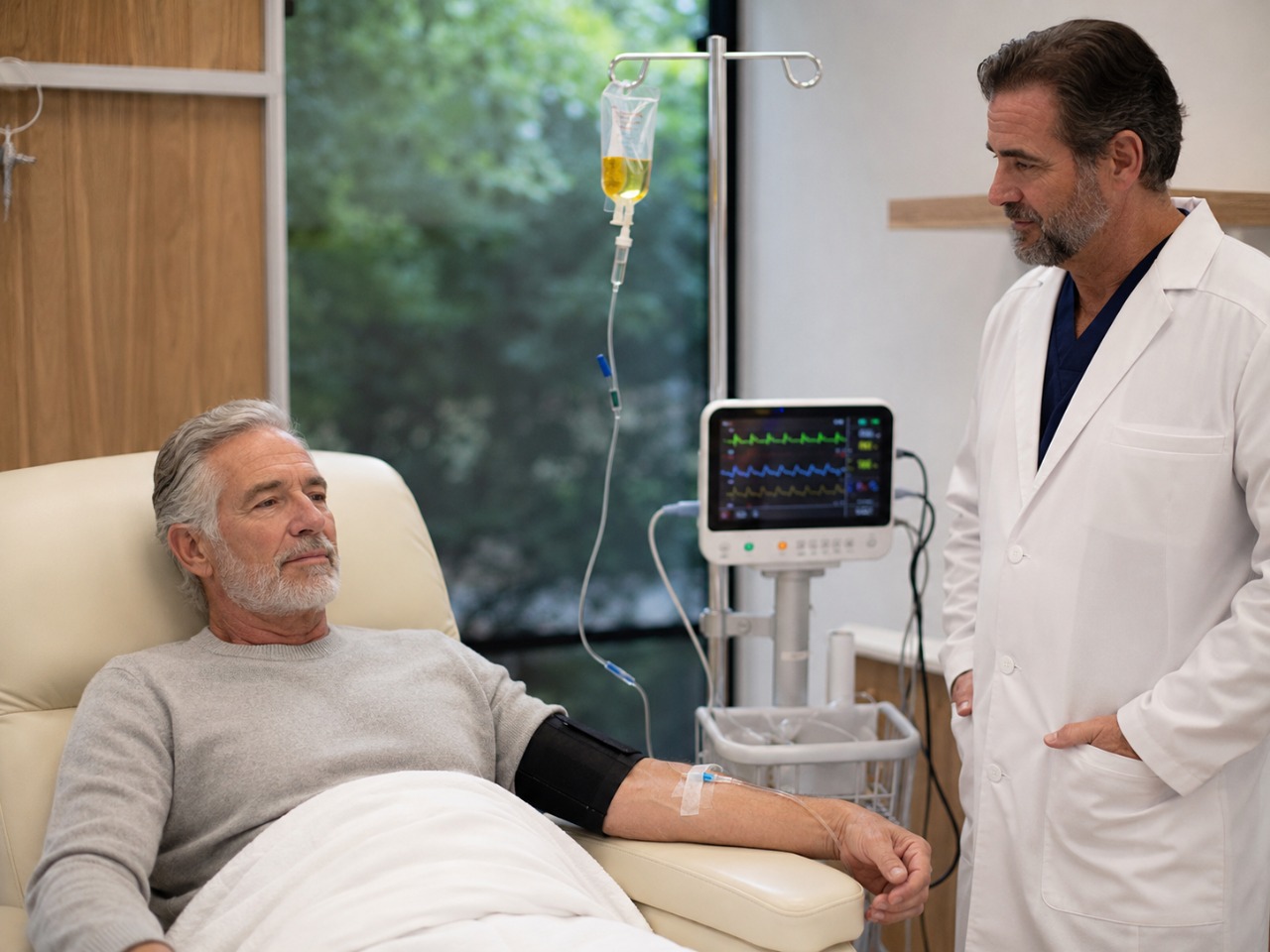
Interest in stem cell and exosome therapy has grown among patients living with neurological conditions. These treatments are often discussed in relation to inflammation, cellular communication, tissue protection, and repair. However, the science is still developing, and regenerative therapies should not be presented as proven cures for neurological disease.
Patients considering stem cell or exosome therapy in Springfield, Missouri, need more than an explanation of how these products may work. They need clear information about regulatory status, product quality, clinical evidence, possible risks, patient screening, and how a clinic will measure results.
The most important point is that regenerative potential does not equal proven clinical benefit. A biologically promising treatment can still be investigational, and its safety can vary depending on the product, its manufacturing, the route of administration, and the patient’s medical condition.
Understanding these distinctions can help patients make informed decisions without relying on exaggerated promises or incomplete information.
What You’ll Learn in This Article
This article explains:
- The current FDA status of stem cell and exosome therapies
- How stem cells and exosomes differ
- What current research says about safety
- Why product source, testing, and manufacturing quality matter
- How the administration method can affect risk
- Which health factors may affect patient eligibility
- What informed consent should include
- How to evaluate a stem cell or exosome clinic
- Which warning signs patients should watch for
- How treatment results and possible side effects should be monitored
Are Stem Cell and Exosome Therapies FDA Approved?
Stem cells and exosomes are not automatically FDA-approved simply because they come from human tissue, are processed by a laboratory, or are offered by a medical clinic.
The FDA states that regenerative medicine products have not been approved to treat neurological disorders such as multiple sclerosis, amyotrophic lateral sclerosis, Alzheimer’s disease, Parkinson’s disease, epilepsy, or stroke. The agency has also stated that there are currently no FDA-approved exosome products.
Certain blood-forming stem cell products derived from umbilical cord blood are FDA-approved for specific disorders affecting blood production and the immune system. Those approvals do not extend to the treatment of neurological disease.
This distinction matters because patients may hear phrases such as:
- FDA registered laboratory
- FDA compliant facility
- Listed with the FDA
- Processed according to regulatory standards
- Manufactured in an FDA registered establishment
These descriptions do not mean that the treatment itself has received FDA approval for a neurological condition. Facility registration, product listing, and FDA approval are separate regulatory concepts.
Patients should ask the clinic to explain the exact regulatory status of the proposed product in plain language. A responsible provider should clearly state when a therapy is investigational and should not suggest that laboratory registration is equivalent to product approval.
What Are Stem Cells?

Stem cells are living cells with the ability to respond to their biological surroundings. In neurological regenerative medicine, much of the discussion involves mesenchymal stromal cells, commonly called MSCs.
MSCs may be obtained from sources such as:
- The patient’s bone marrow
- The patient’s adipose tissue
- Donated umbilical cord tissue
- Other human tissue sources
These cells are not generally expected to replace large numbers of damaged neurons directly. Their proposed value may come from the biological signals they release.
Researchers are studying whether these signals may affect:
- Immune system activity
- Inflammatory pathways
- Cellular survival
- Blood vessel support
- Oxidative stress
- Tissue repair signaling
Because stem cells are living products, their characteristics can change based on how they are collected and handled. Cell source, identity, viability, sterility, processing, storage, dose, and route of administration can all affect safety and biological activity.
Two products both described as “stem cells” may therefore be very different.
What Are Exosomes?
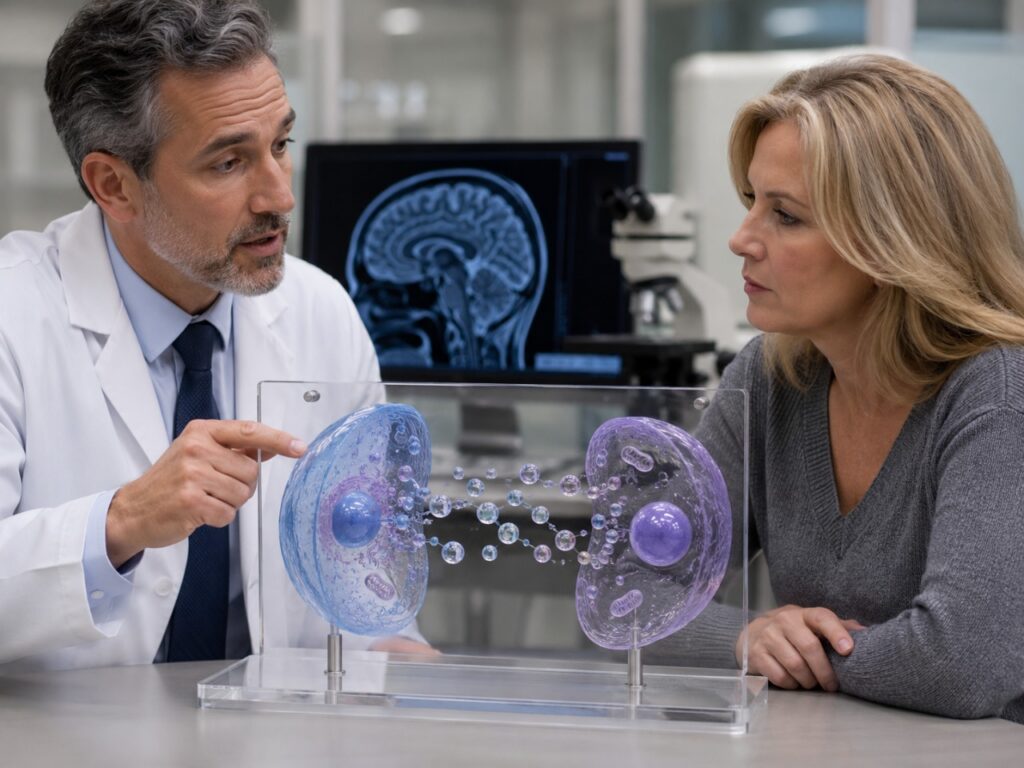
Exosomes are small extracellular vesicles released by cells. They are not living cells, and they cannot reproduce or transform into other types of tissue.
Exosomes carry biological materials between cells, including proteins, lipids, messenger RNA, microRNA, and other signaling molecules. This has led researchers to investigate whether exosomes could deliver some of the cellular signals associated with MSCs without administering the cells themselves.
The idea is scientifically interesting, but the term “exosome product” does not denote a single standardized treatment.
Products can differ in their:
- Cell source
- Collection method
- Purification process
- Concentration
- Biological cargo
- Sterility
- Storage conditions
- Potency testing
- Route of administration
A vial marketed as containing exosomes should not be assumed to contain a predictable dose of active, properly characterized extracellular vesicles. Product identity and manufacturing controls are central safety questions.
The FDA has previously reported serious adverse events involving unapproved products marketed as containing exosomes.
What Evidence Is Needed to Establish Safety?
Safety cannot be established by testimonials, before and after stories, laboratory studies, or a small number of satisfied patients.
A strong safety assessment requires multiple levels of evidence.
Preclinical Evidence
Laboratory and animal research can help identify possible mechanisms, dosing concerns, toxicity signals, and biological effects. These studies help determine whether human research may be reasonable.
However, findings in cells or animals do not guarantee that a treatment will be safe or effective in people.
Early Human Trials
Phase 1 and early phase studies usually focus on immediate safety, dose tolerance, and treatment feasibility. These studies are important, but they often include relatively small patient groups and limited follow-up.
A small trial may not detect uncommon complications or risks that develop months or years later.
Randomized Controlled Trials
Randomized trials compare an intervention with a placebo, standard treatment, or another control. They help researchers determine whether observed changes are caused by the therapy rather than natural disease variation, rehabilitation, medication changes, expectation, or chance.
Long-Term Monitoring
Neurological conditions often progress slowly. Some possible complications of cellular therapy may also take time to become apparent.
Meaningful safety research should examine:
- Short-term reactions
- Infection risk
- Immune responses
- Neurological complications
- Abnormal tissue growth
- Vascular complications
- Disease worsening
- Delayed adverse events
Independent Replication
A positive study from one research group is not enough to establish a treatment as safe and effective. Findings should be reproduced by independent investigators using defined products, consistent outcome measures, and transparent reporting.
What Does Current Research Suggest About Stem Cell Safety?
Published clinical studies of MSC therapy have often reported acceptable short-term tolerability when clearly characterized products are administered through controlled research protocols.
A 2024 systematic review examining intrathecal MSC administration in neurological conditions found no clear increase in serious adverse events in the included studies. The authors still emphasized the need for larger, higher-quality randomized trials to confirm safety.
Research in multiple sclerosis has also reported encouraging safety findings, but treatment effectiveness remains uncertain because of small samples, inconsistent outcome measures, and differences among protocols.
These findings should be interpreted carefully. They suggest that certain MSC products have been reasonably tolerated within specific research settings. They do not prove that every stem cell product, clinic, dose, or administration method is safe.
The safety profile of a therapy studied under a formal protocol cannot automatically be applied to a commercially available product with different manufacturing procedures or limited quality documentation.
What Does Current Research Suggest About Exosome Safety?
The clinical evidence for exosome therapy in neurological disease remains earlier than the evidence for MSC therapy.
Researchers are studying extracellular vesicle and exosome-based products in conditions such as ischemic stroke and other neurological disorders. Several studies are designed primarily to evaluate safety, tolerability, dosing, and preliminary biological activity.
The existence of a registered clinical trial does not establish that a treatment works. It also does not mean that a commercial product offered outside that trial is identical to the product being investigated.
Exosome-related risks may include:
- Contamination
- Infection
- Immune reactions
- Unintended inflammatory responses
- Inconsistent biological activity
- Unknown effects from the vesicle cargo
- Risks related to the method of administration
Long-term neurological safety has not been established for commercially marketed exosome products.
Why Product Quality Matters
Safety begins before a product reaches the patient.
For stem cells, the clinic should be able to document:
- The tissue source
- Whether the cells are autologous or donor-derived
- How the tissue was collected
- Cell identity
- Cell count
- Cell viability
- Sterility testing
- Endotoxin testing
- Processing procedures
- Storage temperature
- Transportation conditions
- Lot or batch identification
- Chain of custody
For exosome or extracellular vesicle products, patients should ask about:
- The original cell source
- Donor screening when applicable
- Purification methods
- Particle characterization
- Protein or vesicle concentration
- Sterility and endotoxin testing
- Potency testing
- Storage requirements
- Lot-specific documentation
- Independent quality testing
Terms such as “medical grade,” “research backed,” or “high potency” have little value without supporting documentation.
Patients should also know whether a product is prepared from their own tissue or obtained from a donor. Autologous products may reduce certain immune concerns, but they are not risk-free. Collection procedures, contamination, processing, administration, and the patient’s health can still create risks.
Why the Route of Administration Matters
The same product may have a different risk profile depending on how it is administered.
Possible routes discussed in regenerative medicine include:
- Intravenous infusion
- Intramuscular injection
- Local tissue injection
- Intranasal administration
- Intrathecal administration
Intrathecal administration places a substance into the fluid-filled space surrounding the brain and spinal cord. Because this route involves the central nervous system, it requires careful sterile technique, appropriate training, patient screening, and a plan for recognizing and managing complications.
Potential risks can come from both the product and the procedure. These may include infection, bleeding, headache, nerve irritation, inflammatory reactions, vascular events, or complications related to sedation or medication use.
A clinic should explain why a particular route is being proposed and what evidence supports its use for the patient’s condition.
Who Should Be Screened More Carefully?
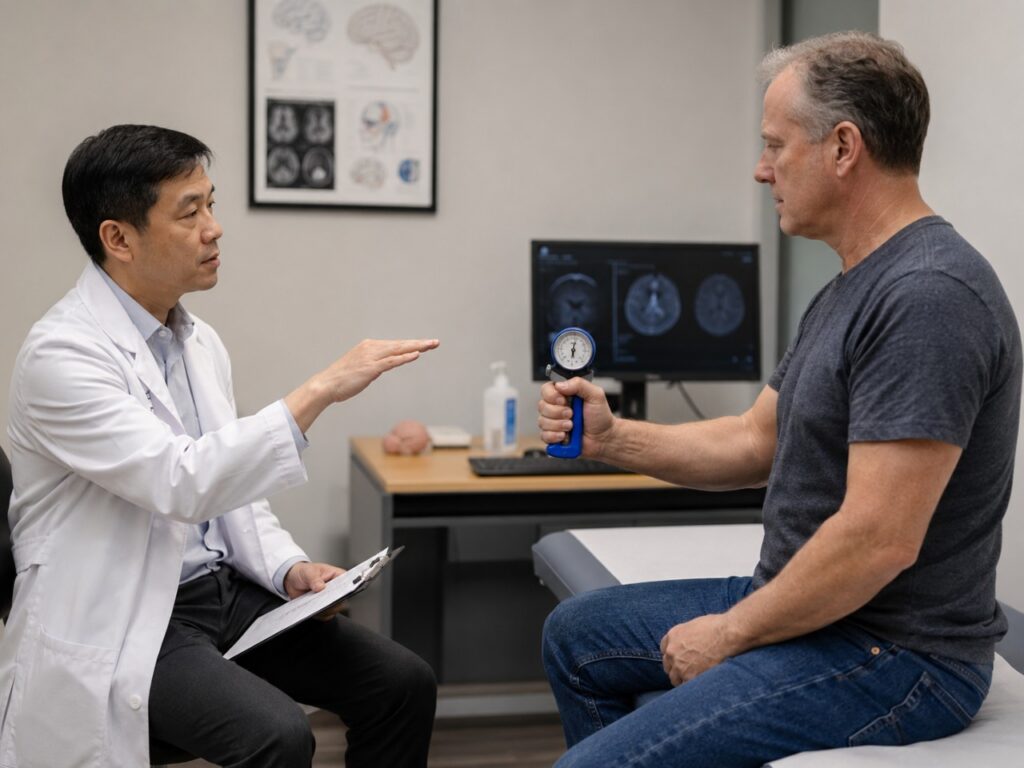
Not every patient is an appropriate candidate for an investigational regenerative procedure.
Screening should begin with confirmation of the neurological diagnosis. Symptoms such as memory loss, weakness, numbness, tremor, fatigue, balance changes, or cognitive decline can have several causes. Treatment should not begin until the physician has reviewed the diagnosis, disease stage, current medications, previous testing, and reasonable standard treatment options.
Factors that may affect eligibility or require additional evaluation include:
- Active infection
- Fever or recent serious illness
- Active or recently treated cancer
- Significant immune suppression
- Bleeding disorders
- Anticoagulant use
- History of abnormal clotting
- Severe cardiovascular instability
- Uncontrolled diabetes
- Significant kidney or liver disease
- Pregnancy or breastfeeding
- Severe allergic reactions
- Recent surgery
- Inability to tolerate the proposed procedure
- Unclear neurological diagnosis
These factors do not always create an absolute exclusion. They can change the balance between possible benefit and risk.
The clinic should obtain a complete medical history, medication list, allergy history, recent laboratory work, and appropriate neurological testing before recommending treatment.
What Should Informed Consent Include?
Signing a form is not the same as receiving informed consent.
A meaningful consent discussion should explain:
- The treatment’s investigational status
- Whether the product is FDA approved for the proposed condition
- The source and type of biological material
- The proposed dose and administration route
- Known risks
- Theoretical and uncertain risks
- Reasonable alternatives
- The limits of current evidence
- The expected follow-up plan
- How complications will be handled
- The total financial cost
- Whether additional treatments may be recommended
The patient should have enough time to review the information, ask questions, consult another physician, and decide without sales pressure.
Statements such as “there are no risks because it is natural” or “it cannot cause rejection because it comes from human tissue” should be treated cautiously. Biological products can still cause infection, immune reactions, inflammation, clotting problems, or other adverse effects.
How Should Results Be Measured?
Regenerative treatment should not be evaluated only by how a patient feels during the first few days or weeks.
Neurological symptoms naturally fluctuate. Sleep, stress, medication changes, physical therapy, expectation, and daily activity can affect perceived improvement.
Baseline measurements should be recorded before treatment. Depending on the condition, these may include:
- Neurological examination findings
- Walking speed
- Balance testing
- Grip strength
- Range of motion
- Fatigue assessments
- Cognitive testing
- Activities of daily living
- Pain or sensory measurements
- Imaging
- Laboratory biomarkers
- Medication use
The clinic should define what would count as improvement, stability, lack of response, or worsening.
Objective follow-up helps patients and physicians determine whether additional treatment is reasonable. It also reduces the risk of continuing an expensive or invasive therapy based only on hope or memory.
How the Brain Tune Up! Program Supports Patient Safety

Regenerative therapy should not be treated as a substitute for a complete neurological and medical evaluation.
The Brain Tune Up! Program follows a structured clinical framework:
Identify
Establish the most accurate neurological diagnosis. Determine the disease stage, severity, pattern, and expected trajectory.
Investigate
Look for factors that may influence neurological function or treatment safety, including inflammation, metabolic dysfunction, nutrient deficiencies, infections, sleep disorders, vascular risks, hormonal imbalances, gut dysfunction, environmental exposures, and medication effects.
Integrate
Build a personalized plan that may include nutrition, exercise, restorative sleep, stress management, neurological rehabilitation, targeted supplementation, appropriate medication, and conventional neurological care.
Restore
Address metabolic, nutritional, hormonal, vascular, and circadian problems that may interfere with neurological resilience.
Regenerate
Consider investigational options such as peptides, exosomes, or stem cell-based approaches only after the patient has been evaluated and the biological environment has been addressed.
Regeneration belongs near the top of the treatment pyramid. It should not replace the diagnostic and medical foundation beneath it.
Is Repeat Treatment Safe?
There is no universal treatment schedule for neurological stem cell or exosome therapy.
Some clinical approaches may involve an initial series of treatments spaced several weeks apart. However, a repeat procedure should not be recommended automatically.
The decision should consider:
- The patient’s diagnosis
- Disease progression
- Response to the first treatment
- Adverse reactions
- Objective follow-up results
- Product characteristics
- Administration route
- New medical conditions
- Changes in medication
- Cumulative procedural risk
A clinic should explain the medical reason for each additional treatment. Packages that require patients to purchase several procedures before completing an evaluation may limit the ability to make decisions based on individual response and safety.
How to Choose a Stem Cell or Exosome Clinic
Clinic selection can be as important as treatment selection.
Look for a physician-led clinic with experience in the neurological condition being evaluated. The physician should review conventional treatment options and explain why an investigational therapy is being considered.
A responsible clinic should be willing to answer the following questions:
What exactly is the product?
Ask whether it contains living cells, extracellular vesicles, exosomes, growth factors, platelet products, or a mixture of materials.
Where does it come from?
Ask whether the material comes from the patient, a donor, bone marrow, adipose tissue, umbilical cord tissue, or another source.
What testing has been performed?
Request documentation of sterility, endotoxin testing, identity, viability when applicable, concentration, storage conditions, and lot tracking.
Is it FDA approved for my condition?
The answer should be direct. A clinic should not replace an approval question with a statement about facility registration or regulatory compliance.
What evidence supports this treatment?
Ask for published human studies involving the same type of product, diagnosis, dose, and administration route.
What are the risks?
The discussion should include known, theoretical, procedural, and long-term uncertainties.
What happens if I have a complication?
Ask who provides aftercare, how urgent problems are handled, and whether the clinic coordinates with hospitals or other specialists.
How will my progress be measured?
The clinic should establish baseline findings and a follow-up schedule before treatment.
Warning Signs to Avoid
Be cautious when a clinic:
- Promises a cure
- Guarantees improvement
- Claims one product treats many unrelated diseases
- Uses testimonials as its main evidence
- Will not identify the product source
- Refuses to provide testing documents
- Suggests that FDA registration equals FDA approval
- Pressures patients to pay immediately
- Discourages consultation with another physician
- Advises stopping proven treatment without coordinating with the treating specialist
- Has no clear plan for complications
- Recommends repeat treatments without objective evaluation
ClinicalTrials.gov registration should also be interpreted correctly. A listed study has not necessarily completed enrollment, published results, passed regulatory review, or demonstrated effectiveness.
Questions Patients Should Ask Before Treatment
Before consenting to stem cell or exosome therapy, ask:
- What is my confirmed diagnosis?
- What standard treatments remain available?
- What is the goal of this regenerative treatment?
- Is the proposed use FDA-approved?
- Is the product part of an authorized clinical trial?
- What exactly will be administered?
- Where was it manufactured?
- What quality testing was completed?
- What dose will I receive?
- Why is this administration route being used?
- What short-term risks are known?
- What long-term risks remain uncertain?
- Who will provide follow-up care?
- What happens if my symptoms worsen?
- How will improvement be measured?
- What is the complete cost?
- Why would another treatment be recommended?
- Can I review the consent documents before making a decision?
A trustworthy clinic should welcome these questions.
Reporting a Possible Adverse Event
Patients should contact their treating physician promptly if they develop new or worsening symptoms after a regenerative procedure.
Urgent medical evaluation may be needed for symptoms such as:
- Fever
- Severe headache
- New weakness or numbness
- Confusion
- Vision changes
- Chest pain
- Shortness of breath
- Seizure
- Loss of consciousness
- Signs of infection
- Severe allergic symptoms
The FDA encourages patients and health care professionals to report injuries, worsening symptoms, or other adverse events involving products marketed as stem cells, exosomes, or regenerative medicine through the MedWatch program.
Frequently Asked Questions
1. Are stem cell therapies FDA approved for neurological conditions?
No stem cell products are currently FDA approved to treat neurological conditions such as multiple sclerosis, Parkinson’s disease, Alzheimer’s disease, ALS, epilepsy, or stroke. Certain cord blood-derived stem cell products are approved for specific blood and immune system disorders, but those approvals do not apply to neurological treatment.
2. Are exosome therapies FDA-approved?
There are currently no FDA-approved exosome products. Exosome therapy for neurological disease remains investigational, and product quality can differ greatly between laboratories and clinics. Patients should ask for clear information about the product source, testing, manufacturing process, and regulatory status.
3. What are the main risks of stem cell or exosome therapy?
Potential risks depend on the product and how it is administered. They may include infection, contamination, immune reactions, inflammation, bleeding, abnormal clotting, nerve irritation, neurological complications, or unknown long-term effects. Procedures involving the central nervous system may carry additional risks.
4. Who may not be a suitable candidate for regenerative therapy?
Patients with an active infection, uncontrolled medical condition, active cancer, significant immune suppression, bleeding disorder, serious clotting risk, pregnancy, or an unclear neurological diagnosis may require further evaluation or may not be suitable candidates. Eligibility should be determined through a complete medical and neurological assessment.
5. How can patients assess the quality of a stem cell or exosome product?
Patients should ask for documentation of the tissue or cell source, sterility testing, endotoxin testing, product identity, cell viability when applicable, concentration, storage conditions, lot tracking, and chain of custody. General terms such as “medical grade” or “high potency” are not substitutes for quality records.
6. What questions should I ask before choosing a clinic?
Ask whether the treatment is FDA approved for your condition, what product will be administered, where it comes from, how it was tested, what risks are known, what remains uncertain, and how complications will be handled. The clinic should also explain how your progress will be measured and whether standard treatment options remain appropriate.
The Bottom Line
Stem cell and exosome therapies have a credible scientific basis, but scientific rationale is not the same as proven safety or effectiveness.
Some studies of mesenchymal stromal cells have reported encouraging short-term tolerability under controlled research conditions. Larger randomized trials and longer follow-up are still needed. Clinical evidence for therapeutic exosomes in neurological disease remains more limited, and there are currently no FDA-approved exosome products.
Safety depends on more than the treatment name. It depends on:
- The accuracy of the diagnosis
- The patient’s medical condition
- Product source and quality
- Manufacturing controls
- Dose
- Administration route
- Physician qualifications
- Informed consent
- Follow up
- Complication management
- Honest communication about uncertainty
At Sharlin Health and Neurology, regenerative options are considered within a broader neurological care plan. When these therapies are discussed, the evaluation should address diagnosis, health risks, tissue or product source, laboratory quality standards, treatment goals, alternatives, and objective follow-up.
Stem cell or exosome therapy should not replace established neurological care, rehabilitation, medication management, sleep treatment, metabolic support, or other medically appropriate interventions.
The most useful question is not, “Is stem cell or exosome therapy completely safe?”
No medical procedure is completely free of risk.
The better question is, “Has my physician identified the risks, explained the uncertainty, screened me carefully, documented the product quality, and created a responsible plan for treatment and follow-up?”
Schedule a consultation with Sharlin Health and Neurology in Springfield, Missouri, to discuss your diagnosis, treatment options, and whether an investigational regenerative approach may be appropriate for your care plan.
